

Water Damage and Mold Growth: What Homeowners Should Know
Water damage is one of the most common and destructive problems homeowners face. Whether caused by heavy rain, plumbing failures, appliance leaks, or flooding, excess water can quickly compromise a property’s structure. What many property owners don’t realize is that water damage often leads to mold growth if not addressed promptly. Understanding how water damage and mold are connected can help you take action before the situation becomes more serious and costly.
How Water Damage Spreads Inside a Property
When water enters a home or commercial building, it rarely stays in one place. Moisture can travel through flooring, drywall, insulation, and framing materials within hours. Even small leaks can seep behind walls or under flooring, creating hidden damage. Without proper water extraction services and drying, moisture remains trapped and weakens structural materials over time. This is why professional water damage restoration focuses not only on visible water but also on moisture detection and controlled drying.
Why Mold Develops After Water Damage
Mold thrives in damp, poorly ventilated environments. Once moisture is present for 24 to 48 hours, mold spores can begin to grow on surfaces such as drywall, wood, carpet, and insulation. Mold growth is not always visible immediately, which makes it especially dangerous. Areas like basements, crawl spaces, wall cavities, and attics are common locations where mold develops after water damage. Without proper mold remediation services, mold can spread and affect indoor air quality.
Health and Property Risks of Mold
Mold exposure can cause respiratory irritation, allergies, headaches, and other health concerns, particularly for individuals with asthma or compromised immune systems. From a property standpoint, mold can weaken building materials and lead to unpleasant odors and staining. Over time, untreated mold can require extensive repairs. Professional mold inspection and testing helps identify the extent of contamination and determines the safest method for cleanup.
The Importance of Fast Emergency Response
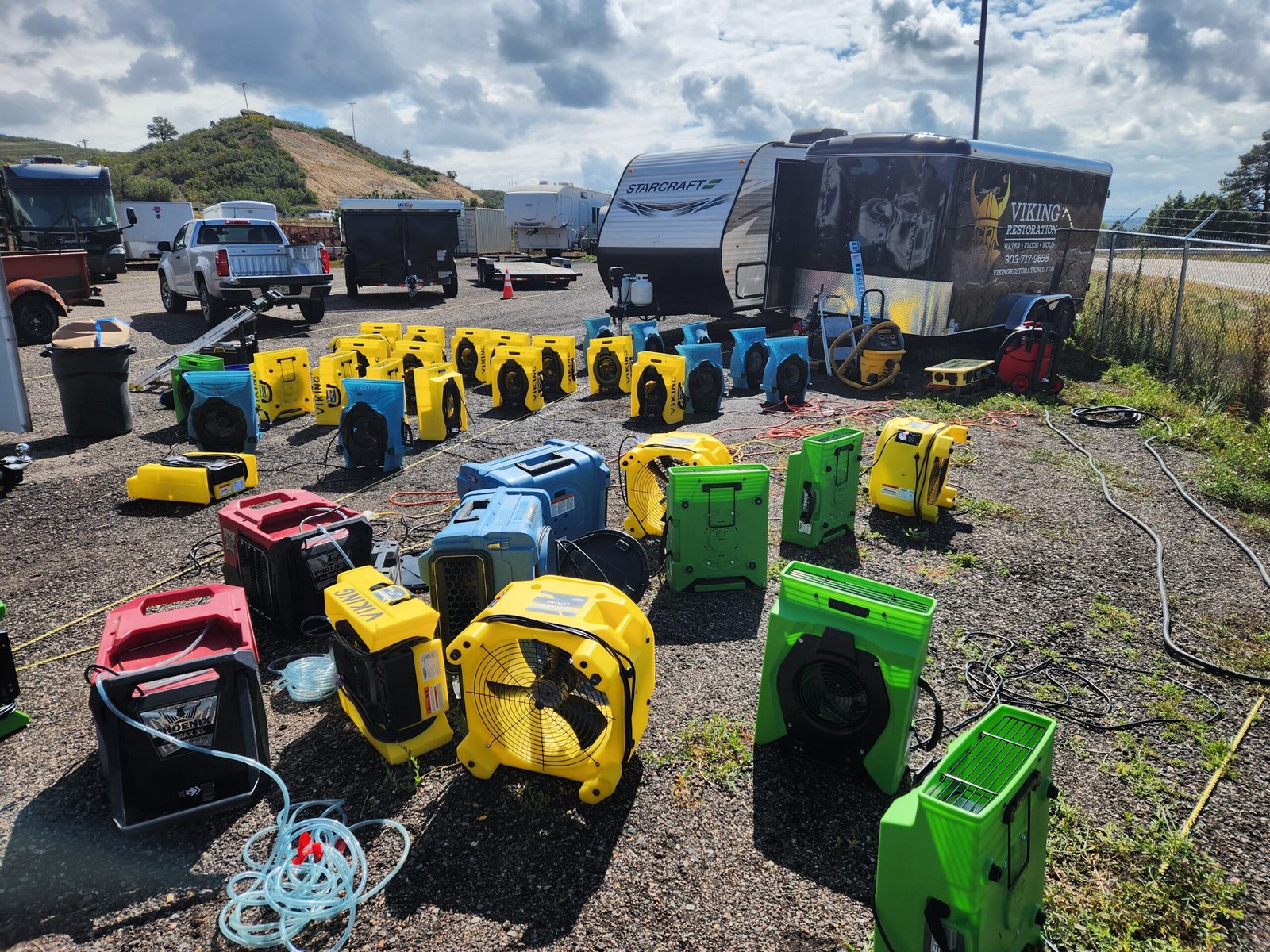
Quick action is critical when dealing with water damage. Emergency water mitigation helps reduce moisture levels before mold has a chance to grow. Professional restoration teams use industrial-grade drying equipment, dehumidifiers, and moisture meters to ensure affected areas are fully dried. This process protects the structure and reduces the likelihood of secondary damage, including mold infestation.
Professional Restoration vs. DIY Cleanup
While minor spills can be handled with basic cleanup, larger water damage situations require professional attention. Household fans and shop vacuums are not sufficient for deep moisture removal. Certified restoration professionals provide water cleanup and drying services, structural drying, and proper mold treatment to ensure long-term results. DIY attempts often leave hidden moisture behind, increasing the risk of recurring problems.
Preventing Future Water and Mold Issues
Regular maintenance plays a major role in preventing water damage and mold growth. Inspect plumbing systems, maintain proper drainage, and address leaks immediately. Proper ventilation in bathrooms, kitchens, and basements also helps control humidity levels. In areas prone to moisture, moisture control services and periodic inspections can significantly reduce risk.
When to Call a Restoration Professional
If your property has experienced flooding, leaks, or persistent moisture issues, contacting a professional restoration company is the safest choice. Early intervention can prevent structural damage, mold growth, and expensive repairs. A qualified water and mold restoration team will assess the damage, provide a clear plan, and restore your property safely and efficiently.