

Affordable Mold Remediation Services in Tumwater, WA
Mold has a way of staying hidden until it becomes a serious problem. At Floodtek, we’ve seen how a small moisture issue can quickly turn into extensive mold growth that affects both a home’s structure and the people living inside it. The good news is that professional mold remediation services in Tumwater, WA, can stop the damage before it spreads further.
Tumwater’s damp climate creates ideal conditions for mold, especially after leaks, heavy rainfall, or water damage. Understanding how remediation works and why professional treatment matters helps homeowners protect both their investment and their family’s health.
Why Mold Remediation Is More Than Simple Mold Removal
Many people believe wiping away visible mold solves the problem. In reality, surface cleaning rarely removes the hidden source.
Professional mold remediation focuses on identifying moisture, containing contaminated areas, removing affected materials when necessary, and restoring healthy indoor air quality. According to EPA Mold Guidelines, eliminating the moisture source is just as important as removing visible mold because mold will continue returning if excess moisture remains.
Experienced restoration specialists follow industry procedures designed to prevent mold spores from spreading throughout the property during cleanup.
Mold Usually Starts Where You Cannot See It
Mold often develops behind drywall, beneath flooring, inside crawl spaces, and within attic insulation. By the time discoloration appears on walls, hidden colonies may already be well established.
Professionals use moisture meters and thermal imaging cameras to locate areas that cannot be identified during a simple visual inspection.
Moisture Is Always the Root Cause
Roof leaks, plumbing failures, foundation moisture, and poor ventilation all create conditions where mold thrives.
Addressing these issues first makes remediation far more effective than treating mold alone.
How Professional Mold Remediation Services Work
Every property presents different challenges, but certified restoration teams generally follow a proven remediation process.
Inspection and Moisture Detection
The first step involves inspecting the property to locate visible mold, identify hidden moisture, and determine how far contamination has spread.
Rather than guessing, professionals mold restoration services use specialized equipment to measure moisture levels inside walls, ceilings, and flooring.
Containment and Air Filtration
Once mold is confirmed, affected areas are isolated using containment barriers to prevent airborne spores from traveling into clean sections of the home.
HEPA air scrubbers and negative air machines continuously filter microscopic mold spores during remediation. Restoration professionals certified through the Institute of Inspection Cleaning and Restoration Certification (IICRC) commonly follow these containment procedures because they reduce cross-contamination during cleanup.
Removal, Cleaning, and Drying
Damaged materials that cannot be safely cleaned are removed. Salvageable surfaces receive professional cleaning followed by antimicrobial treatment where appropriate.
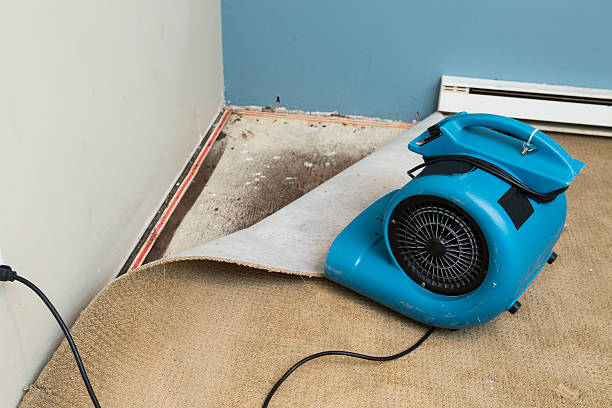
Industrial dehumidifiers and structural drying equipment then remove remaining moisture, helping ensure mold cannot quickly return.
Why Professional Remediation Is Worth the Investment
Better Indoor Air Quality
Mold spores can circulate through HVAC systems and affect indoor air quality long before homeowners notice visible growth.
Professional remediation removes contamination while also improving overall air quality throughout the property.
Preventing Structural Damage
Over time, mold breaks down drywall, wood framing, insulation, and other building materials.
Treating mold early often limits repairs and protects the home’s structural integrity.
Long-Term Moisture Control
One lesson experienced restoration specialists consistently emphasize is that successful remediation depends on moisture management.
Improving ventilation, repairing leaks, maintaining gutters, and controlling indoor humidity dramatically reduce future mold risks.
Common Areas Where Mold Appears in Tumwater Homes
Because Tumwater experiences frequent rainfall and seasonal moisture, certain parts of homes require closer attention.
Basements and crawl spaces often develop mold because of limited airflow and ground moisture. Attics become vulnerable when roof leaks or inadequate ventilation trap humidity.
Bathrooms, laundry rooms, kitchens, and utility rooms also experience recurring moisture exposure that encourages mold growth if ventilation is poor.
Homes that have recently experienced flooding or water damage deserve especially careful inspections since hidden moisture frequently remains behind finished surfaces.
Choosing a Mold Remediation Company in Tumwater, WA
Not every restoration company approaches mold remediation with the same level of expertise.
Look for professionals who perform complete inspections instead of offering immediate estimates without evaluating the property. Companies that follow IICRC standards, use HEPA filtration equipment, and explain each step of the remediation process generally provide more reliable service.
Clear communication also matters. Homeowners should understand where moisture originated, how contamination will be removed, and what preventive measures can reduce future mold growth.
Working with an experienced local company familiar with Tumwater’s climate often results in more practical long-term solutions because regional moisture conditions influence how mold develops.
Protecting Your Home After Mold Remediation
Professional remediation is only one part of protecting your property.
Regularly inspecting plumbing, monitoring humidity levels, cleaning gutters, maintaining roof systems, and ensuring proper ventilation all reduce the likelihood of future mold problems.
Many homeowners also benefit from annual inspections after previous water damage because early detection remains the most effective form of prevention.
Conclusion
Professional mold remediation services in Tumwater, WA, do much more than remove visible mold. They identify moisture sources, improve indoor air quality, prevent structural damage, and restore healthier living conditions.
Choosing experienced professionals who follow recognized industry standards provides lasting results instead of temporary fixes. When mold is addressed early and moisture problems are corrected, homeowners can confidently protect both their property and the people who live inside it.
FAQs
How do I know if I need mold remediation?
If you notice musty odors, visible mold, recent water damage, or unexplained allergy symptoms indoors, a professional inspection is recommended. Hidden mold is often present before it becomes visible.
Is mold remediation different from mold removal?
Yes. Mold removal focuses on cleaning visible mold, while remediation addresses the moisture source, contains contamination, removes damaged materials, and helps prevent mold from returning.
Can mold come back after remediation?
It can if the underlying moisture problem remains. Professional remediation includes moisture control recommendations to reduce the risk of future mold growth.
How long does mold remediation usually take?
The timeline depends on the size of the affected area and the amount of water damage. After inspection, professionals can provide a more accurate project estimate.
Is mold harmful to indoor air quality?
Yes. Mold spores can circulate through the air and reduce indoor air quality. Professional remediation helps remove airborne contamination and creates a healthier indoor environment.